
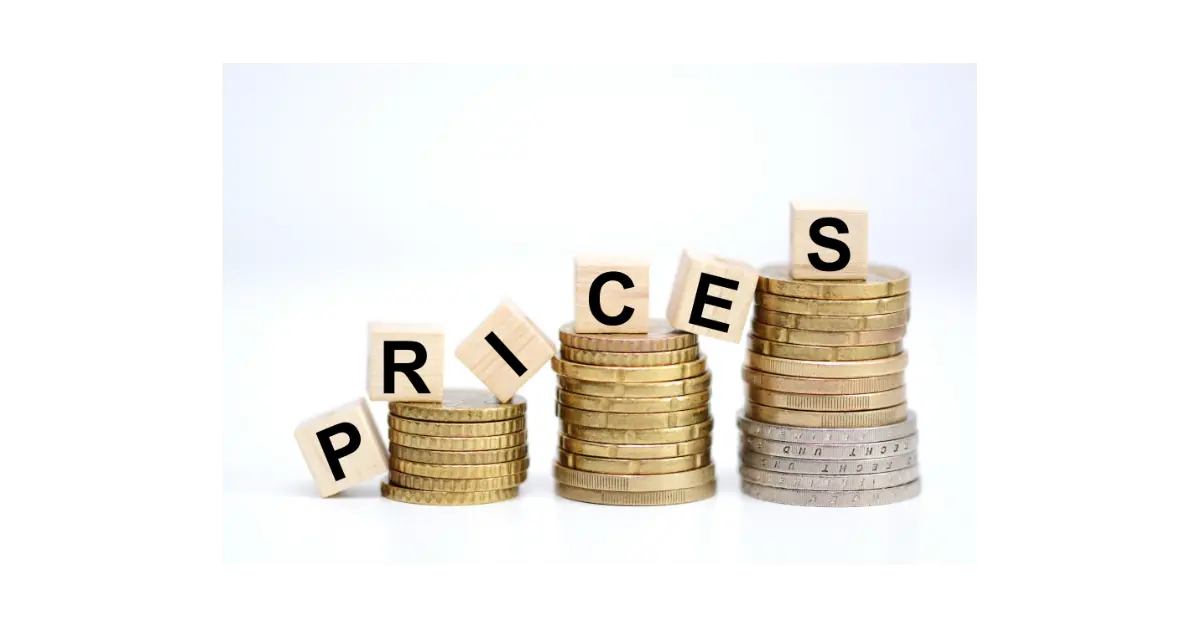
The Hidden Cost of Poor Pricing
When business owners tell me they’re struggling with cashflow, one of the first things I look at isn’t their expenses.
It’s their pricing.
Over the years I’ve seen many hardworking business owners who were busy every day, had loyal customers and delivered exceptional service—yet still struggled financially.
The problem wasn’t a lack of work.
The problem was that they weren’t being paid enough for the value they created.
Poor pricing is one of the quietest problems in business.
Unlike a sudden drop in sales or an unexpected expense, poor pricing rarely announces itself.
Instead, it slowly erodes your business.
Every invoice that’s just a little too low.
Every discount that’s given too easily.
Every year you avoid increasing your prices.
Each decision feels small.
Together, they can dramatically affect your cashflow, your profitability and your confidence.
Within The Thriving Blueprint, Cash is one of the three motivators that influence every business owner.
Poor pricing weakens that motivator.
Over time it also affects your Control and your Confidence.
That’s why pricing isn’t simply about numbers.
It’s about creating a sustainable business.
Why Business Owners Undercharge
I’ve rarely met a business owner who deliberately undercharges.
Most start with good intentions.
They simply don’t want price to become a barrier.
Some are worried about losing customers.
Others compare themselves to competitors.
Many lack confidence in the value they provide.
Sound familiar?
If so, you’re certainly not alone.
Pricing is emotional.
Unlike many business decisions, pricing often feels personal.
When someone questions your price, it can feel as though they’re questioning your value.
As a result, many business owners avoid increasing prices altogether.
Ironically, this often creates the very problems they were hoping to avoid.
The Hidden Cost Isn’t Just Financial
When people think about pricing, they naturally think about profit.
Profit is certainly important.
But poor pricing costs far more than money.
It affects every part of your business.
It Reduces Cash
Lower prices mean less money flowing into your business.
That makes it harder to:
- pay yourself properly
- invest in better systems
- employ support
- purchase equipment
- build cash reserves
Small pricing decisions accumulate over time.
An extra $20 on one invoice may seem insignificant.
Across hundreds of invoices each year, it becomes substantial.
| Scenario | Current | After a 5% Price Increase |
| Average Sale | $1,000 | $1,050 |
| Clients per year | 200 | 200 |
| Annual Revenue | $200,000 | $210,000 |
| Additional Revenue | $10,000 |
It Reduces Control
When prices don’t reflect the value you provide, you often compensate by working longer hours.
You take on more clients.
Accept more work.
Say yes when you should say no.
Gradually your business begins controlling you instead of the other way around.
One pricing decision quietly creates a time problem.
It Reduces Confidence
Poor pricing also affects how you think.
Business owners begin second-guessing themselves.
They become hesitant when quoting.
They apologise for their prices before customers even respond.
Over time, this lack of confidence influences many other business decisions.
Should I employ someone?
Should I invest in marketing?
Should I increase prices next year?
Every decision feels harder when your business isn’t generating the financial return it should.
Helen’s Insight
One of the biggest surprises I’ve noticed over the years is that the customers who complain most about price are often the ones who value your work the least.
Your best clients usually aren’t looking for the cheapest option.
They’re looking for confidence.
Reliability.
Expertise.
Peace of mind.
Those things have value.
And it’s perfectly reasonable to charge appropriately for delivering them.
Busy Doesn’t Always Mean Profitable
This is one of the biggest traps in small business.
You’re fully booked.
The phone keeps ringing.
Your calendar is full.
Everyone tells you how successful your business must be.
Yet your bank account tells a different story.
Busyness can be deceptive.
It often hides poor pricing.
I’ve seen businesses double their workload while barely improving profitability.
More work doesn’t automatically create more profit.
Sometimes it simply creates more exhaustion.
The goal isn’t to become busier.
The goal is to become more valuable.
Pricing Is About Value, Not Time
Many service-based businesses still price according to hours worked.
While time is easy to measure, it’s often the least valuable part of what you’re selling.
Think about what your clients actually receive.
They benefit from:
- your experience
- your expertise
- your judgement
- your systems
- your ability to solve problems
- the confidence you provide
Those things weren’t developed overnight.
They were built over years.
Your clients aren’t paying for one hour of your time.
They’re paying for everything that allows you to solve their problem in that hour.
Five Signs You May Be Underpricing
How do you know if your prices need reviewing?
Here are five common signs.
1. Everyone Says Yes
If almost nobody questions your pricing, it may be worth asking whether your prices are too low.
Price shouldn’t be the only reason people choose you.
2. You’re Always Busy but Cash Is Tight
This is one of the clearest warning signs.
A busy business with poor cashflow often indicates that prices aren’t supporting the business properly.
3. You Feel Guilty Increasing Prices
Many business owners feel uncomfortable charging more.
The discomfort usually comes from confidence rather than value.
4. You Can’t Afford to Grow
If employing another team member feels impossible despite strong demand, pricing may be part of the problem.
Healthy pricing creates room for investment.
5. You Haven’t Reviewed Prices for Years
Costs increase every year.
Technology changes.
Wages increase.
Insurance rises.
If your prices remain unchanged while everything else increases, your profitability quietly declines.
Why Annual Price Reviews Matter
One of the healthiest habits any business owner can develop is reviewing prices regularly.
Notice I said reviewing.
Not necessarily increasing.
Sometimes prices remain appropriate.
Sometimes small adjustments are needed.
The important thing is making intentional decisions rather than allowing prices to remain unchanged simply because they’re familiar.
Small annual increases are often easier for customers to accept than large increases after many years.
Pricing and The Thriving Blueprint
Within The Thriving Blueprint, pricing connects directly with both the Three Motivators and the Three Drivers.
Better pricing improves Cash by increasing the financial return generated from your work.
It improves Confidence because you begin recognising the value you create.
It improves Control because you no longer need to compensate for low prices by working excessive hours.
Strong pricing also relies on the Three Drivers.
Optics help you understand your costs, margins and profitability.
Organised ensures your business delivers a consistent customer experience that supports your pricing.
Observations help you understand changing customer expectations, market trends and opportunities to improve your value.
Pricing isn’t an isolated decision.
It’s one part of building a thriving business.
How to Review Your Pricing
Rather than asking,
“What are my competitors charging?”
Try asking different questions.
- Does this price reflect the value we provide?
- Does it allow us to deliver exceptional service?
- Does it support future investment in the business?
- Does it allow the owner to earn a fair income?
- Does it create enough profit to build healthy cash reserves?
Those questions create much stronger businesses.
Helen’s Insight
One of my favourite conversations with clients happens after they’ve reviewed their pricing.
Very few say,
“I wish I’d waited another year.”
Most say,
“I should have done this sooner.”
Not because they became greedy.
Because they finally recognised the value they were already creating.
Bringing It All Together
Pricing isn’t about charging the highest price.
It’s about charging the right price.
A price that reflects the value you provide.
A price that allows your business to grow sustainably.
A price that supports healthy Cash, greater Control and stronger Confidence.
Because when your pricing is right, your business has room to breathe.
Room to invest.
Room to improve.
Room to thrive.
And that’s ultimately what good pricing should create.
Your Next Step
If you’re wondering whether your pricing is supporting the business you want to build, start by understanding your current position.
Take the Business Health Quiz to discover whether your business is currently Struggling, Surviving, Living or Thriving.
If you’re ready to build stronger financial foundations, explore The Thriving Blueprint Course, where you’ll learn practical strategies for budgeting, cashflow, pricing decisions and business planning that support long-term success.
Remember, your pricing isn’t just a number on an invoice.
It’s a decision about the future of your business.
Choose it intentionally.
Continue Reading
If you found this article helpful, these resources will help you continue building a stronger financial foundation:
Cashflow & Profit
- The Ultimate Guide to Small Business Cashflow
- Cashflow vs Profit: Why They Are Not the Same
- How to Build a Business Budget That Actually Works
The Thriving Blueprint